Bamboo Flooring A Sustainable, Stylish, and Smart Choice for Modern Spaces
When it comes to flooring solutions that balance aesthetics, durability, and environmental responsibility, bamboo flooring has emerged as a popular choice for both residential and commercial spaces. Known for its natural elegance and impressive performance, bamboo flooring offers a contemporary alternative to traditional hardwood while supporting eco-conscious living. In this blog, we’ll explore its key advantages, common applications, maintenance tips, and why it can be an excellent option for a wide range of environments.
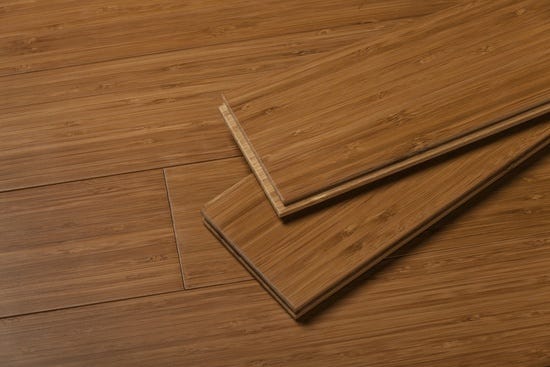
What Makes Bamboo Flooring Unique?
Bamboo flooring is manufactured from bamboo grass, a rapidly renewable resource that matures much faster than hardwood trees. Through advanced processing techniques, bamboo is transformed into strong, visually appealing planks that rival traditional wood flooring in both strength and style. Available in various finishes, colors, and grain patterns, bamboo flooring can complement minimalist, modern, or even classic interior designs.
Key Advantages of Bamboo Flooring
One of the biggest benefits of bamboo flooring is its sustainability. Bamboo regenerates quickly, making it an environmentally responsible flooring choice. Beyond its green credentials, bamboo flooring is also known for its durability. Strand-woven bamboo, in particular, is extremely hard and resistant to dents and scratches, making it suitable for high-traffic areas.
Another advantage is its aesthetic versatility. Bamboo flooring provides a clean, natural look that enhances the warmth and openness of a space. It pairs beautifully with modern interiors and blends well with other contemporary flooring concepts such as parador flooring in premium residential settings or even alongside decorative elements inspired by terrazzo flooring.
Additionally, bamboo flooring offers good moisture resistance compared to traditional hardwood, especially when properly sealed. This makes it a practical option for areas where humidity levels may fluctuate.
Common Applications of Bamboo Flooring
Bamboo flooring is widely used in homes, including living rooms, bedrooms, hallways, and dining areas. Its refined appearance and comfort underfoot make it ideal for everyday living spaces. In apartments and villas, bamboo flooring adds a sense of natural luxury without overwhelming the interior design.
In commercial environments, bamboo flooring is increasingly used in offices, boutiques, cafés, and showrooms. Its professional appearance and durability make it suitable for light to moderate commercial foot traffic. While heavy industrial spaces may rely more on solutions like industrial epoxy flooring, bamboo flooring works well in customer-facing areas where aesthetics matter.
Bamboo flooring can also be combined creatively with specialized surfaces such as epoxy garage flooring in mixed-use properties, allowing homeowners and designers to maintain functionality in utility areas while preserving elegance in living spaces.
Maintenance Tips for Long-Lasting Beauty
Maintaining bamboo flooring is relatively simple and does not require intensive care. Regular sweeping or vacuuming helps remove dust and debris that can cause surface scratches. Using a damp (not wet) mop with a mild, pH-neutral cleaner is usually sufficient for routine cleaning.
To protect the surface, it’s advisable to use felt pads under furniture legs and avoid dragging heavy objects across the floor. Spills should be wiped up promptly to prevent moisture penetration. In areas exposed to direct sunlight, using curtains or blinds can help prevent fading over time.
Periodic refinishing may be possible depending on the thickness and type of bamboo flooring, allowing you to restore its original look and extend its lifespan.
Why Bamboo Flooring Is a Great Choice for Various Environments
Bamboo flooring stands out as a balanced flooring solution that meets the needs of modern lifestyles. Its eco-friendly nature appeals to environmentally conscious homeowners, while its durability and design flexibility attract architects and interior designers.
Whether you’re designing a cozy home, a stylish office, or a welcoming retail space, terrazzo flooring adapts well to different environments. It offers a refined alternative to traditional materials while integrating seamlessly with other flooring styles and modern design elements.
Conclusion
bamboo flooring is more than just a trend — it’s a smart investment in sustainability, style, and performance. With proper installation and care, it can enhance interiors for years to come, making it a compelling choice for anyone looking to upgrade their flooring with confidence.


Comments
Post a Comment