Floor Sanding Restoring Beauty, Strength, and Longevity to Your Floors
Floor sanding is one of the most effective ways to rejuvenate worn-out surfaces and restore their original charm. Over time, floors endure constant foot traffic, scratches, stains, and general wear that can dull their appearance and weaken their structure. Floor sanding removes surface imperfections, smooths uneven areas, and prepares the floor for refinishing, making it an essential process for both residential and commercial spaces seeking durability and aesthetic appeal.
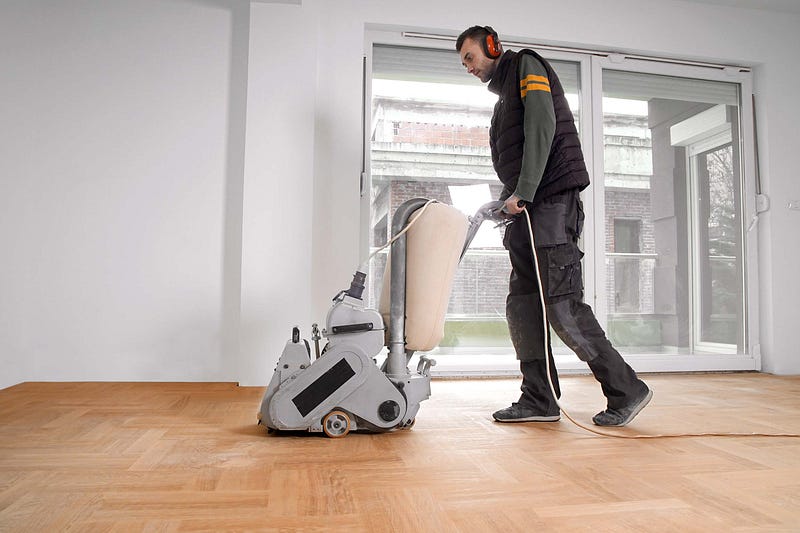
What Is Floor Sanding and Why It Matters
Floor sanding involves the use of specialized machines to strip away the top damaged layer of a floor. This process exposes a fresh, clean surface underneath that can be polished, sealed, or coated as required. Unlike temporary fixes, floor sanding addresses damage at its core, extending the life of the flooring material. It is often combined with related preparation techniques such as floor grinding, especially when dealing with concrete or heavily damaged surfaces, to achieve a perfectly level and smooth base.
Key Advantages of Floor Sanding
One of the biggest advantages of floor sanding is its ability to dramatically improve appearance. Scratches, dents, and discoloration disappear, leaving behind a clean, uniform surface. Beyond aesthetics, sanding enhances durability by strengthening the floor and allowing protective finishes to bond effectively.
Another major benefit is cost efficiency. Replacing an entire floor can be expensive and disruptive. Floor sanding offers a more affordable alternative while delivering comparable visual and functional results. It also improves hygiene by removing trapped dirt, allergens, and bacteria hidden in cracks and worn layers.
Sanding also increases versatility. Once the surface is prepared, various finishes can be applied, including stains, sealers, or modern protective systems like epoxy floor coating, which adds chemical resistance, strength, and a sleek finish suitable for industrial and high-traffic environments.
Common Applications Across Different Environments
Floor sanding is widely used in homes, offices, retail spaces, hotels, and industrial facilities. In residential settings, it is ideal for living rooms, bedrooms, and hallways where floors gradually lose their shine. Sanding brings warmth and freshness back to these spaces without the need for full replacement.
In commercial environments, such as offices and showrooms, floor sanding helps maintain a professional and welcoming appearance. Smooth, well-finished floors contribute to a positive impression on clients and employees alike. For warehouses and workshops, sanding prepares concrete floors for heavy-duty finishes, improving safety and load-bearing performance.
Floor sanding also works well alongside finishing details like wooden floor skirting, which enhances visual continuity and protects walls from scuffs. In modern or moisture-prone areas, pvc floor skirting is often used after sanding to provide flexibility, water resistance, and a clean edge between the floor and walls.
Maintenance Tips After Floor Sanding
Proper maintenance is essential to preserve the results of floor sanding. Regular cleaning with soft brooms or microfiber mops prevents dirt buildup that can scratch the surface. Avoid excessive water, especially on wooden floors, as moisture can cause swelling or warping.
Using protective pads under furniture helps prevent dents and scratches. In high-traffic areas, rugs or runners can reduce wear while maintaining style. Periodic re-polishing or resealing, depending on the finish used, will further extend the floor’s lifespan.
It’s also important to address spills promptly and avoid harsh chemicals that may damage the protective layer. With the right care, a sanded floor can maintain its beauty and performance for many years.
Why Floor Sanding Is a Smart Choice
Floor sanding is a practical and sustainable flooring solution. It reduces waste by restoring existing materials instead of discarding them, making it an environmentally responsible option. The process adapts to various flooring types and environments, offering flexibility in design and finish.
Whether you’re upgrading a home, refreshing a commercial space, or preparing an industrial floor for heavy use, pvc floor skirting delivers long-lasting value. By combining visual enhancement, structural improvement, and compatibility with modern finishes, it stands out as a reliable choice for maintaining high-quality floors in any setting.


Comments
Post a Comment