Wooden Floor Skirting The Finishing Touch That Elevates Every Space
When it comes to interior design, the smallest details often make the biggest impact. One such detail is wooden floor skirting — a subtle yet powerful design element that enhances both the appearance and functionality of a room. Far more than a decorative strip along the wall, wooden floor skirting plays a vital role in protecting walls, concealing imperfections, and creating a seamless transition between the floor and the wall. Whether you’re designing a modern home, a commercial office, or a hospitality space, wooden floor skirting can be the detail that ties everything together.
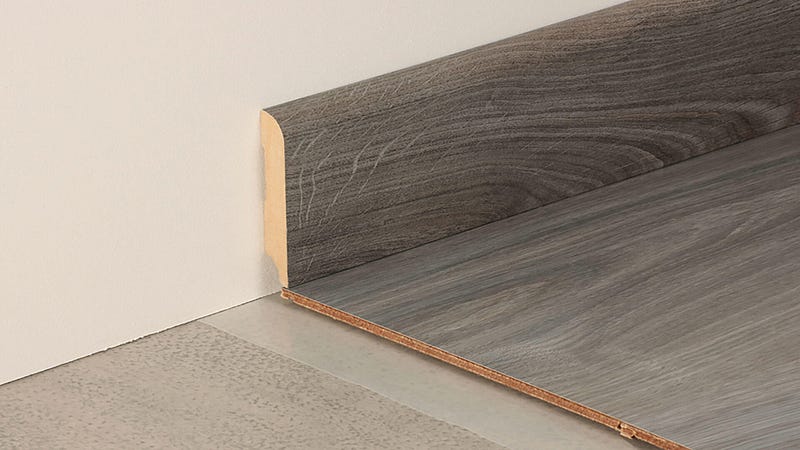
What Is Wooden Floor Skirting?
Wooden floor skirting, also known as a baseboard, is installed at the junction where the wall meets the floor. Made from natural or engineered wood, it adds warmth, texture, and a sense of completion to interior spaces. Available in a variety of profiles — from sleek and minimal to ornate and traditional — it complements different flooring types and design styles with ease.
Key Advantages of Wooden Floor Skirting
One of the biggest advantages of wooden floor skirting is its ability to protect walls from daily wear and tear. Furniture movement, cleaning equipment, and foot traffic can easily damage wall edges. Skirting acts as a barrier, preserving the wall’s finish over time.
Aesthetically, wooden floor skirting provides visual continuity. It frames the room, enhances architectural lines, and helps flooring look intentional rather than abruptly finished. This is especially valuable in premium interiors where design consistency matters.
Another major benefit is its ability to hide gaps and imperfections. Expansion gaps left during flooring installation, uneven wall edges, or minor flaws can all be neatly concealed with well-installed skirting. This is particularly useful in projects involving processes like floor self leveling, where a perfectly smooth subfloor is achieved, but edge transitions still need a clean finish.
Wooden floor skirting also adds value to a property. High-quality wood finishes are often associated with craftsmanship and durability, making interiors feel more refined and long-lasting.
Common Applications Across Environments
Wooden floor skirting is highly versatile and suitable for a wide range of environments. In residential homes, it enhances living rooms, bedrooms, hallways, and dining areas by adding warmth and elegance. It works beautifully with hardwood, laminate, and even tile flooring.
In offices and commercial spaces, wooden skirting contributes to a professional and polished look. It complements modern interiors where clean lines are essential, while also protecting walls in high-traffic zones.
Hospitality environments such as hotels, resorts, and boutique cafés often use wooden floor skirting to create a welcoming and premium ambiance. It pairs well with various flooring treatments, whether the space uses natural wood, tiles, or even industrial finishes like epoxy floor coating for contrast.
Wooden skirting is also preferred in renovation projects. After processes such as floor grinding, which prepares or restores existing floors, skirting helps mask minor edge inconsistencies and completes the refreshed look.
Wooden Floor Skirting vs Other Options
While alternatives like pvc floor skirting are popular for their moisture resistance and low cost, wooden floor skirting stands out for its natural appeal and timeless character. Wood brings warmth and authenticity that synthetic materials often lack. It can be stained, painted, or refinished to match evolving interior trends, making it a long-term design investment rather than a temporary solution.
Maintenance Tips for Long-Lasting Beauty
Maintaining wooden floor skirting is relatively simple. Regular dusting or vacuuming prevents dirt buildup along edges. For deeper cleaning, a slightly damp cloth is sufficient — avoid excessive moisture, as water can damage wood over time.
Periodic inspection is also important. Check for scratches, dents, or paint wear, especially in high-traffic areas. Minor damage can often be repaired with wood filler or touch-up paint. If the skirting is finished with polish or varnish, occasional refinishing can restore its original shine and extend its lifespan.
Why Wooden Floor Skirting Is a Smart Choice
Choosing wooden floor skirting is about balancing function, aesthetics, and durability. It adapts effortlessly to different design styles, from classic to contemporary. It complements various flooring systems and installation methods, enhances wall protection, and adds a refined finishing touch that elevates the entire space.
Whether you’re building from scratch or upgrading an existing interior, floor grinding offers a blend of practicality and elegance that few other elements can match. It’s a small detail with a big impact — one that turns a well-designed room into a truly finished one.


Comments
Post a Comment