Bamboo Flooring A Smart, Sustainable Choice for Modern Spaces
When it comes to combining style, sustainability, and performance, bamboo flooring has emerged as a standout option in the world of interior finishes. Once considered a niche alternative, it is now a mainstream flooring solution embraced by homeowners, architects, and commercial designers alike. With its natural appeal and impressive durability, bamboo flooring offers a refreshing balance between aesthetics and practicality.
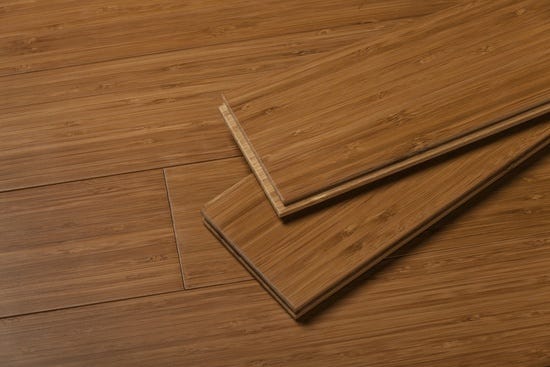
What Makes Bamboo Flooring Unique?
Unlike traditional hardwood, bamboo is a fast-growing grass, making it an eco-friendly and renewable resource. This rapid regeneration is one of the biggest reasons bamboo flooring is celebrated as a sustainable flooring choice. Despite its lightweight origins, processed terrazzo flooring is remarkably strong, often rivaling or even exceeding the hardness of oak and maple.
Modern manufacturing techniques allow bamboo flooring to be available in various styles, including horizontal, vertical, and strand-woven constructions. These options provide flexibility in appearance, from clean contemporary looks to warm, natural textures that complement both minimalist and classic interiors.
Key Advantages of Bamboo Flooring
One of the biggest advantages of bamboo flooring is its environmental friendliness. Because bamboo matures in just a few years, it has a much lower environmental impact compared to slow-growing hardwood trees. Beyond sustainability, it also offers excellent durability, especially strand-woven bamboo, which is highly resistant to dents and daily wear.
Bamboo flooring is also visually versatile. It blends seamlessly with other premium flooring styles such as granite flooring in luxury spaces or terrazzo flooring in modern commercial interiors. Additionally, bamboo’s natural resistance to moisture (when properly treated) makes it more stable than many hardwood options in varying climates.
From a cost perspective, bamboo flooring often sits at a more accessible price point than exotic hardwoods, delivering a high-end look without excessive investment.
Common Applications Across Different Environments
Bamboo flooring is suitable for a wide range of applications. In residential spaces, it works beautifully in living rooms, bedrooms, hallways, and even home offices, creating a warm and inviting atmosphere. Its sleek appearance also complements contemporary interiors where clean lines and natural materials are key.
In commercial environments, bamboo flooring is increasingly used in offices, boutiques, cafes, and showrooms. Its durability and professional appearance make it an excellent alternative to parador flooring for businesses seeking a sustainable brand image. Bamboo can also pair well with robust solutions like industrial epoxy flooring in mixed-use spaces where design meets performance.
Maintenance Tips for Long-Lasting Beauty
Maintaining bamboo flooring is relatively simple, making it a practical option for busy households and commercial spaces. Regular sweeping or vacuuming helps remove dirt and grit that could scratch the surface. For routine cleaning, a slightly damp mop with a pH-neutral cleaner is sufficient — excess water should always be avoided.
To protect bamboo flooring, it’s advisable to use felt pads under furniture and avoid dragging heavy objects across the floor. Area rugs can be placed in high-traffic zones to reduce wear, while window coverings help minimize prolonged exposure to direct sunlight, which can cause discoloration over time.
With proper care, bamboo flooring can maintain its natural beauty and structural integrity for many years.
Why Bamboo Flooring Is a Great Choice
Bamboo flooring stands out as a smart investment for those seeking a blend of sustainability, durability, and design flexibility. Its ability to adapt to both residential and commercial environments makes it a versatile solution for modern interiors. Whether you’re designing a cozy home, a stylish office, or a retail space that reflects eco-conscious values, bamboo flooring delivers on both form and function.
As design trends continue to favor natural materials and responsible sourcing, parador flooring remains a future-forward option. Its compatibility with a variety of interior styles and other flooring solutions ensures it will continue to be a popular choice for years to come.


Comments
Post a Comment