Floor Self Leveling The Smart Foundation for Modern, Durable Interiors
Floor self leveling has become a preferred solution in contemporary construction and renovation projects where precision, durability, and speed matter. Designed to create an ultra-smooth and even surface, this advanced flooring preparation method is widely used in residential, commercial, and industrial environments. Whether you are upgrading an old subfloor or preparing a base for a premium finish, floor self leveling delivers both functional and aesthetic advantages that traditional methods struggle to match.
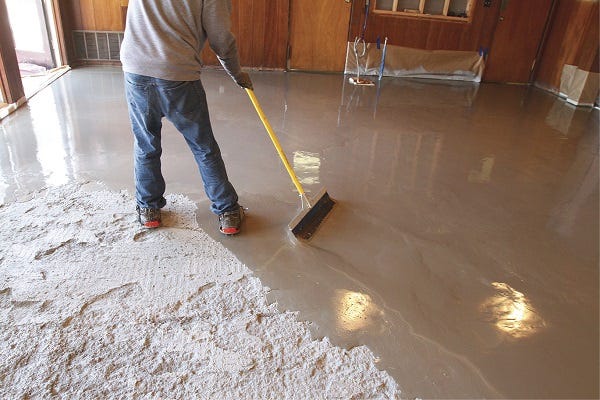
What Is Floor Self Leveling and How It Works
Floor self leveling is a cementitious or polymer-modified compound that flows easily across a surface, filling low spots and correcting unevenness with minimal manual intervention. Once poured, it spreads naturally and settles into a flat, seamless layer. This makes it ideal for correcting imperfections in concrete or screed floors before applying tiles, vinyl, carpet, or epoxy floor coating systems. The result is a perfectly level substrate that enhances the performance and lifespan of the final floor finish.
Key Advantages of Floor Self Leveling
One of the biggest advantages of floor self leveling is precision. It creates a smooth, uniform surface that improves the installation quality of any flooring material placed above it. This accuracy also reduces material waste and installation errors. Another benefit is speed. Compared to traditional screeding, self leveling compounds cure faster, allowing projects to move ahead without long delays. Durability is another strong point. Once cured, the surface resists cracks, wear, and minor structural movement, making it suitable for high-traffic environments. It also improves overall floor aesthetics, as a level base prevents visible dips, cracks, or uneven joints in the finished flooring.
Common Applications Across Different Environments
Floor self leveling is highly versatile and can be used in a wide range of settings. In residential spaces, it is often applied during renovations to correct uneven slabs in living rooms, kitchens, and bedrooms. In commercial environments such as offices, retail stores, and showrooms, it provides a flawless base that supports heavy foot traffic and modern design requirements. Industrial facilities benefit from its ability to support machinery loads and integrate seamlessly with pvc floor skirting, which enhances chemical resistance and durability. It is also commonly used in healthcare and educational buildings, where hygiene, safety, and smooth transitions between spaces are essential.
Compatibility with Other Flooring Components
A properly leveled floor enhances the performance of surrounding elements. For example, precise leveling ensures a clean finish when installing pvc floor skirting, helping to achieve neat edges and better protection against moisture ingress. It also supports decorative solutions such as wooden floor skirting, which relies on straight, even wall-floor junctions for a premium appearance. Additionally, surface preparation techniques like floor grinding are often used before applying self leveling compounds to remove contaminants and improve adhesion, ensuring long-term performance.
Maintenance Tips for Long-Lasting Results
Maintaining a floor created with self leveling compounds is relatively simple. Regular cleaning using non-abrasive products helps preserve surface integrity, especially when the floor is exposed or coated. Avoid prolonged exposure to standing water unless a suitable protective finish is applied. In commercial or industrial spaces, periodic inspections can identify early signs of wear or impact damage. If the floor serves as a base for other finishes, ensuring those finishes are properly maintained will also protect the self leveling layer beneath. Prompt repairs of cracks or surface damage prevent moisture penetration and extend the floor’s lifespan.
Why Floor Self Leveling Is a Smart Choice
Choosing floor self leveling is an investment in quality, efficiency, and long-term performance. It minimizes installation challenges, enhances the durability of top-floor materials, and supports a wide range of design options. From sleek modern interiors to heavy-duty industrial spaces, this solution adapts effortlessly to different requirements. Its ability to integrate with various finishes and edge treatments makes it a reliable foundation for both functional and decorative flooring systems.
In summary, floor grinding stands out as a modern flooring solution that delivers smoothness, strength, and versatility. With proper preparation, application, and maintenance, it creates a flawless base that supports beautiful, durable floors in virtually any environment.


Comments
Post a Comment