Floor Self Leveling The Smart Foundation for Modern, Flawless Floors
In today’s interior and commercial design landscape, achieving a smooth, durable, and visually appealing floor starts from the base itself. This is where floor self leveling plays a crucial role. Whether you are renovating a residential space, upgrading a retail outlet, or preparing an industrial floor, self leveling solutions provide a reliable foundation that enhances both performance and aesthetics. This blog explores what floor self leveling is, its key advantages, common applications, essential maintenance tips, and why it is an excellent choice for diverse environments.
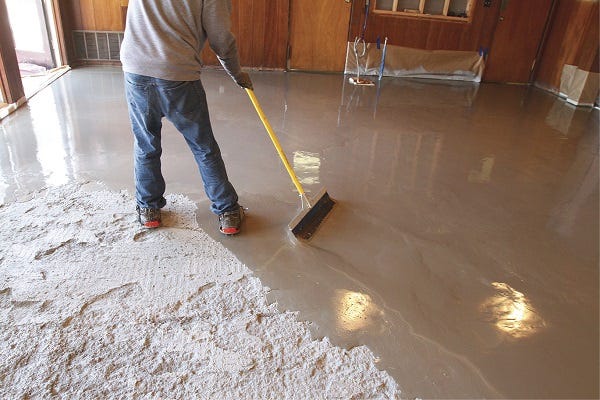
What Is Floor Self Leveling?
Floor self leveling is a specialized cementitious or polymer-modified compound designed to spread evenly across a surface, automatically correcting minor imperfections such as dips, cracks, and uneven patches. Once poured, the material flows smoothly and settles into a flat, level finish without extensive manual intervention. This creates an ideal base for tiles, vinyl, wood, carpet, or decorative finishes.
Unlike traditional screeds that require heavy labor and precise manual leveling, floor sanding compounds are faster to apply and cure, making them highly efficient for modern construction timelines.
Key Advantages of Floor Self Leveling
One of the most significant benefits of floor self leveling is its ability to deliver a perfectly even surface. Uneven floors can cause premature wear, installation failures, and visible defects in finished flooring. A self-leveled base minimizes these risks.
Another major advantage is time efficiency. Most self leveling compounds cure quickly, allowing flooring installation to begin sooner. This is especially beneficial in commercial projects where downtime directly impacts operations.
Durability is another strong point. When properly installed, floor self leveling layers resist cracking, support heavy loads, and improve the lifespan of the final floor finish. They also integrate seamlessly with other flooring processes such as floor sanding and floor polishing, ensuring a refined end result.
Additionally, self leveling floors contribute to better aesthetics. Smooth transitions between flooring and elements like floor skirting or wooden floor skirting enhance the overall visual harmony of a space.
Common Applications Across Environments
Floor self leveling is widely used in residential settings, particularly in living rooms, bedrooms, and kitchens where flat surfaces are essential for laminate, hardwood, or tile installations. It is especially useful in older homes where subfloors may have settled unevenly over time.
In commercial environments such as offices, retail stores, hotels, and showrooms, self leveling floors provide the stability needed for high foot traffic and heavy furniture. They also support design features like polished concrete finishes achieved through floor polishing.
Industrial spaces, including warehouses and factories, rely on floor self leveling to create strong, even surfaces capable of handling machinery and constant movement. Healthcare facilities and educational institutions also benefit from the hygienic, seamless surfaces that self leveling floors provide.
Maintenance Tips for Long-Lasting Performance
While floor self leveling systems are known for durability, proper maintenance ensures their longevity. Regular cleaning with non-abrasive products helps preserve the surface integrity. Avoid harsh chemicals that may degrade the top layer over time.
If the self leveled surface is exposed or finished with a decorative coating, periodic inspections are recommended to identify minor cracks or wear early. Prompt repairs prevent small issues from escalating.
When combined with surface treatments like floor sanding or floor polishing, follow recommended maintenance schedules to maintain smoothness and shine. Proper edge detailing with floor skirting also protects the floor from moisture ingress and impact damage, particularly in high-use areas.
Why Floor Self Leveling Is a Smart Choice
The versatility of floor self leveling makes it suitable for almost any environment. Its ability to adapt to different substrates, support various flooring types, and deliver consistent results makes it a preferred choice for architects, contractors, and homeowners alike.
From a cost perspective, the initial investment in floor self leveling often leads to long-term savings by reducing repair needs, extending floor life, and ensuring flawless installation. A level base also enhances the performance of finishing elements like wooden floor skirting, creating clean lines and professional aesthetics.
Ultimately, floor self leveling is more than just a preparatory step — it is a foundational solution that supports durability, beauty, and functionality. Whether for residential comfort or commercial resilience, it provides the perfect starting point for floors that stand the test of time.


Comments
Post a Comment