Industrial Epoxy Flooring A Durable, High-Performance Solution for Modern Spaces
Industrial epoxy flooring has become a preferred choice for facilities that demand strength, hygiene, and long-term value. From factories and warehouses to hospitals and commercial kitchens, this flooring system delivers a seamless, resilient surface designed to withstand heavy use. More than just a practical option, industrial epoxy flooring also offers aesthetic flexibility, making it suitable for environments where appearance matters as much as performance.
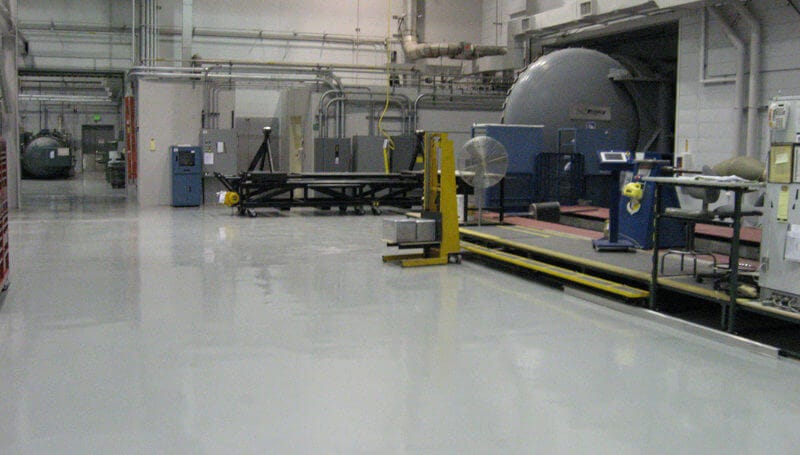
What Is Industrial Epoxy Flooring?
Industrial epoxy flooring is created by applying a resin-based system over concrete surfaces. Through a chemical reaction, the material cures into a hard, durable layer that bonds tightly with the substrate. Unlike traditional surfaces such as granite flooring or tiles, epoxy forms a seamless finish with no joints or grout lines. This continuous surface enhances durability, reduces contamination risks, and simplifies cleaning.
Key Advantages of Industrial Epoxy Flooring
One of the most significant advantages of industrial epoxy flooring is its exceptional durability. It can withstand heavy machinery, constant foot traffic, chemical spills, and abrasion without cracking or peeling. This makes it ideal for high-stress environments where standard flooring materials fail over time.
Another benefit is resistance to chemicals, oils, and moisture. In industrial and commercial settings, spills are inevitable. Epoxy surfaces resist penetration, preventing stains and damage while maintaining structural integrity. Compared to decorative solutions like parador flooring, epoxy prioritizes performance without sacrificing visual appeal.
Safety is also a key advantage. Industrial epoxy flooring can be customized with anti-slip additives, enhancing traction in wet or oily conditions. This helps reduce workplace accidents and supports compliance with safety regulations.
Aesthetically, epoxy flooring offers more flexibility than many assume. It is available in a wide range of colors, finishes, and textures. With modern epoxy painting techniques, floors can be customized to include markings, zones, or branding elements, improving both functionality and visual organization.
Common Applications Across Industries
Industrial epoxy flooring is widely used in manufacturing plants and warehouses due to its load-bearing capacity and resistance to wear. Heavy equipment, forklifts, and pallets can move freely without damaging the surface.
In healthcare facilities and laboratories, hygiene is critical. The seamless nature of epoxy flooring prevents bacteria and contaminants from accumulating, making it easier to maintain sterile conditions. Its resistance to chemicals further supports safe laboratory operations.
Commercial kitchens and food processing units also benefit from epoxy flooring. The surface withstands heat, moisture, and frequent cleaning while meeting strict hygiene standards. Retail spaces, showrooms, and even parking garages increasingly use epoxy systems for their durability and clean, professional look.
Maintenance Tips for Long-Lasting Performance
Maintaining industrial epoxy flooring is straightforward, which adds to its cost-effectiveness. Regular sweeping or dust mopping removes abrasive particles that could dull the surface over time. For deeper cleaning, mild detergents and water are usually sufficient.
Avoid using harsh chemicals or abrasive tools that could damage the finish. Promptly cleaning spills, especially acidic or oily substances, helps preserve the floor’s appearance and performance. Periodic inspections can identify minor issues early, allowing for quick touch-ups rather than costly repairs.
Reapplying a protective top layer of epoxy floor coating after several years can restore shine and extend the floor’s lifespan, ensuring continued resistance to wear and chemicals.
Why Industrial Epoxy Flooring Is a Smart Choice
When compared to traditional flooring solutions, industrial epoxy flooring offers a balanced combination of strength, safety, and style. While options like granite flooring may provide a premium look, they often lack the chemical resistance and seamless hygiene benefits of epoxy. Similarly, decorative alternatives such as parador flooring may suit residential interiors but are not designed for heavy industrial demands.
Epoxy flooring adapts to diverse environments, from industrial plants to modern commercial spaces. Its ability to meet functional requirements while offering customization makes it a future-ready flooring solution.
In conclusion, industrial epoxy flooring is more than a surface solution; it is a long-term investment in durability, safety, and efficiency. With proper installation and maintenance, it delivers reliable performance across a wide range of applications, making it an excellent choice for businesses seeking both practicality and professional appeal.


Comments
Post a Comment