LVT Flooring The Smart, Stylish Solution for Modern Spaces
LVT flooring has rapidly become one of the most popular flooring choices for homes and commercial spaces alike — and for good reason. Designed to replicate the look of natural materials while offering superior performance, LVT flooring blends aesthetics, durability, and practicality in a way few alternatives can match. Whether you are renovating a home, designing a workspace, or upgrading a retail environment, understanding what makes LVT flooring special can help you make a confident, long-term decision.
What Is LVT Flooring?
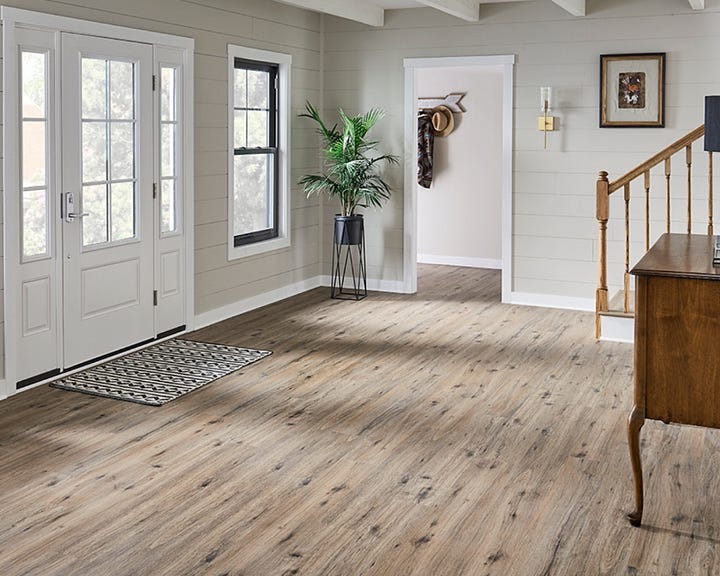
LVT flooring, short for Luxury Vinyl Tile flooring, is a resilient flooring product made from multiple layers of vinyl. These layers include a protective wear layer, a high-definition photographic layer that mimics wood, stone, or concrete, and a stable backing layer. The result is a floor that looks premium but performs exceptionally well under daily wear and tear. Unlike traditional vinyl, LVT is thicker, more detailed in appearance, and engineered for longevity.
Key Advantages of LVT Flooring
One of the biggest advantages of LVT flooring is its versatility. It offers the visual appeal of hardwood or stone without the associated cost or maintenance challenges. LVT is water-resistant, making it suitable for areas where moisture would normally be a concern. This quality allows it to compete with options like epoxy basement flooring, especially in spaces that demand durability without an industrial look.
Durability is another major benefit. LVT flooring resists scratches, dents, and stains, making it ideal for high-traffic environments. Compared to surfaces such as resin flooring or epoxy Flooring, LVT provides a warmer, more comfortable feel underfoot while still maintaining strong performance.
Comfort and sound insulation also set LVT flooring apart. Its layered construction absorbs sound better than many hard flooring materials and offers a softer feel when walking or standing for long periods. This makes it especially appealing for family homes, offices, and hospitality spaces.
Common Applications of LVT Flooring
Thanks to its adaptability, LVT flooring works well across a wide range of environments. In residential settings, it is commonly used in living rooms, bedrooms, kitchens, and even bathrooms due to its moisture resistance. Its realistic wood designs make it a popular alternative to bamboo flooring, particularly for homeowners who want a natural look with fewer upkeep requirements.
In commercial spaces, LVT flooring is valued for its resilience and design flexibility. Retail stores, hotels, healthcare facilities, and offices often choose LVT because it can handle heavy foot traffic while maintaining a polished appearance. The wide variety of colors, patterns, and plank sizes allows designers to create unique layouts that align with branding or interior themes.
Maintenance Tips for Long-Lasting Performance
One of the reasons LVT flooring is so appealing is its low maintenance needs. Regular sweeping or vacuuming helps remove dust and debris that could cause surface scratches. Damp mopping with a mild, manufacturer-approved cleaner is usually sufficient to keep the floor looking fresh.
It is also wise to use protective pads under furniture legs and avoid dragging heavy items across the surface. While epoxy Flooring is tough, simple precautions can significantly extend its lifespan. Unlike natural wood floors that may require sanding or refinishing, LVT maintains its appearance with minimal effort.
Why LVT Flooring Is a Smart Choice
LVT flooring stands out as a balanced flooring solution that combines beauty, strength, and practicality. It delivers the high-end look many people desire while remaining budget-friendly and easy to care for. Compared to more rigid or industrial options, it creates a welcoming atmosphere without sacrificing performance.
For anyone seeking a flooring option that adapts seamlessly to different environments — residential or commercial — resin flooring offers exceptional value. Its ability to mimic natural materials, withstand daily use, and simplify maintenance makes it a future-ready choice for modern interiors.


Comments
Post a Comment