Raised Flooring A Smart, Flexible Solution for Modern Spaces
Raised flooring has become an increasingly popular choice in contemporary construction and interior design, especially in environments that demand flexibility, efficiency, and long-term performance. Unlike traditional floors that sit directly on a concrete slab, raised flooring systems create an elevated platform supported by pedestals. This design forms a hidden void beneath the surface, allowing easy access to services while maintaining a clean and professional appearance. From offices and data centers to homes and retail spaces, raised flooring offers practical advantages that go far beyond aesthetics.
What Is Raised Flooring?
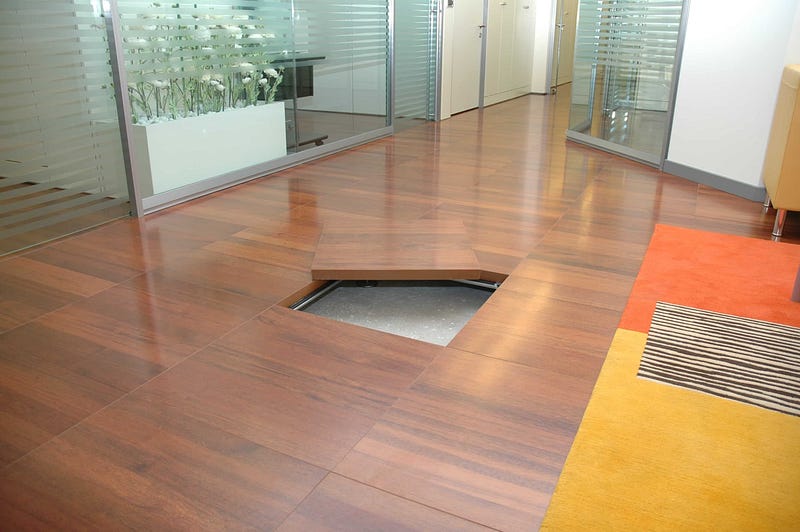
At its core, raised flooring consists of modular panels — typically made from steel, calcium sulfate, or high-density wood core — installed above the structural floor. The space between the two floors can be used to run electrical wiring, data cables, HVAC systems, and plumbing. This makes raised flooring an ideal solution for buildings that require frequent layout changes or high levels of technological integration.
Key Advantages of Raised Flooring
One of the biggest advantages of raised flooring is flexibility. Because the panels are removable, maintenance teams can access utilities quickly without breaking or damaging the floor. This reduces downtime and lowers long-term repair costs.
Another major benefit is improved airflow. In environments like data centers and server rooms, raised flooring supports efficient air distribution, helping to regulate temperature and protect sensitive equipment. It also contributes to better acoustics by reducing vibration and noise transmission.
Raised flooring is also valued for its clean, organized look. By concealing cables and pipes, it creates clutter-free interiors that are both safer and more visually appealing. Additionally, it allows designers to experiment with various surface finishes, including tiles, laminates, carpets, and coatings such as epoxy Flooring, depending on performance and aesthetic requirements.
Common Applications Across Industries
Raised flooring is widely used in commercial office spaces, where adaptability is essential. As teams grow or layouts change, the floor system can be reconfigured without major renovation work. In data centers, raised flooring is almost a standard due to its ability to manage cooling and cabling efficiently.
Healthcare facilities and laboratories also benefit from raised flooring because it supports strict hygiene standards and allows easy access to mechanical systems. In residential settings, raised flooring is gaining traction in basements and smart homes, particularly when combined with durable finishes like epoxy basement flooring for moisture resistance and durability.
Retail environments and exhibition halls use raised flooring to quickly adapt to new displays, lighting needs, or technology upgrades. Even industrial and cleanroom environments adopt raised flooring paired with resin flooring surfaces to achieve high load-bearing capacity and chemical resistance.
Maintenance Tips for Long-Term Performance
Maintaining raised flooring is relatively straightforward, but a few best practices can significantly extend its lifespan. Regular inspections help identify loose panels, worn pedestals, or alignment issues before they become serious problems. Cleaning should be done using manufacturer-recommended products to avoid damaging surface finishes.
It’s also important to manage load limits. While raised flooring is engineered to support substantial weight, uneven or excessive loads can compromise stability. When changing equipment or layouts, always ensure the load is properly distributed.
Environmental control plays a role as well. Maintaining stable humidity and temperature levels prevents warping or degradation of panels, especially in systems that incorporate natural materials or finishes such as bamboo flooring as a decorative top layer.
Why Raised Flooring Is a Great Choice
Raised flooring stands out because it future-proofs spaces. As technology evolves and building needs change, the floor adapts without requiring costly structural alterations. This makes it a sustainable and economical choice over the building’s lifecycle.
Moreover, raised flooring supports modern design goals by combining functionality with aesthetics. Whether the priority is efficient airflow, easy maintenance, or design flexibility, raised flooring delivers a balanced solution suitable for a wide range of environments.


Comments
Post a Comment