Resin Flooring A Smart, Stylish, and Durable Solution for Modern Spaces
Resin flooring has rapidly become one of the most sought-after flooring solutions across residential, commercial, and industrial environments. Known for its seamless finish, exceptional durability, and modern aesthetic, resin flooring offers far more than just good looks. Whether you are designing a high-traffic workspace or upgrading a contemporary home, resin flooring provides a balance of performance, safety, and style that few other flooring types can match.
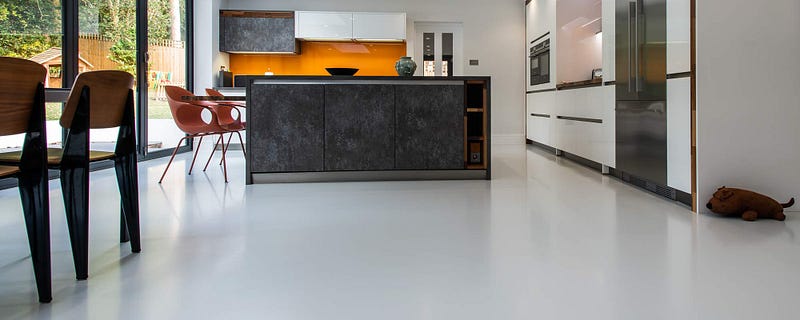
What Is Resin Flooring?
Resin flooring is a surface system created by mixing synthetic resins with hardeners and applying the blend directly onto a prepared subfloor. Once cured, it forms a smooth, joint-free surface that is highly resistant to wear, chemicals, and moisture. Popular resin systems include epoxy, polyurethane, and methyl methacrylate, each designed to meet specific performance needs.
One of the most well-known applications is epoxy garage flooring, which has become a favorite for homeowners and commercial garages alike due to its strength, glossy finish, and resistance to oil stains and heavy loads.
Key Advantages of Resin Flooring
Exceptional Durability
Resin flooring is engineered to withstand heavy foot traffic, machinery, and daily wear. This makes it ideal for warehouses, factories, hospitals, and retail spaces where longevity is a priority.
Seamless and Hygienic
Because resin flooring is seamless, it prevents dust, dirt, and bacteria from settling into joints. This hygienic quality makes it especially suitable for healthcare facilities, laboratories, and food-processing environments.
Aesthetic Flexibility
From high-gloss modern finishes to subtle matte textures, resin flooring can be customized with colors, flakes, or patterns. It can easily complement minimalist interiors or bold architectural designs.
Safety Features
Resin flooring systems can be enhanced with anti slip flooring properties, reducing the risk of accidents in wet or high-risk areas such as kitchens, ramps, and industrial work zones.
Common Applications of Resin Flooring
Resin flooring is remarkably versatile and used across a wide range of environments:
Residential Spaces: Living rooms, kitchens, basements, and garages benefit from its sleek look and easy upkeep.
Commercial Buildings: Offices, showrooms, shopping centers, and hotels appreciate its professional appearance and durability.
Industrial Facilities: Factories and warehouses rely on resin flooring for chemical resistance and load-bearing strength.
Healthcare and Education: Its seamless, hygienic nature supports clean and safe environments.
Sports and Recreation Areas: While resin is not the same as sports vinyl flooring, it is often chosen for gyms and training zones where durability and easy maintenance are essential.
Installation: What to Expect
Professional flooring installation is critical to achieving the best performance from resin flooring. The process begins with thorough surface preparation, ensuring the subfloor is clean, dry, and level. The resin is then mixed and applied in layers, followed by curing time that varies depending on the resin type. When installed correctly, resin flooring delivers a flawless finish that can last for many years with minimal issues.
Maintenance Tips for Long-Lasting Performance
One of the biggest advantages of resin flooring is its low maintenance requirement. Simple steps can keep it looking new:
Sweep or dust regularly to remove debris.
Mop with mild, non-abrasive cleaners to maintain shine.
Avoid harsh chemicals unless the resin system is designed for chemical exposure.
Promptly clean spills to prevent surface dulling.
Periodically inspect high-traffic areas and apply a protective topcoat if needed.
With proper care, flooring installation retains its appearance and functionality for decades.
Why Resin Flooring Is a Great Choice
Resin flooring stands out as a future-ready flooring solution. Its combination of strength, safety, visual appeal, and hygiene makes it suitable for virtually any environment — from stylish homes to demanding industrial settings. The ability to customize finishes, integrate slip resistance, and achieve a seamless surface gives it a competitive edge over traditional flooring options.


Comments
Post a Comment